Manaslu Circuit and Tsum Valley Trek 23 days
Manaslu Region, Nepal
Key Trip Specifications
Everything you need to evaluate this Himalayan route at a glance
Overview
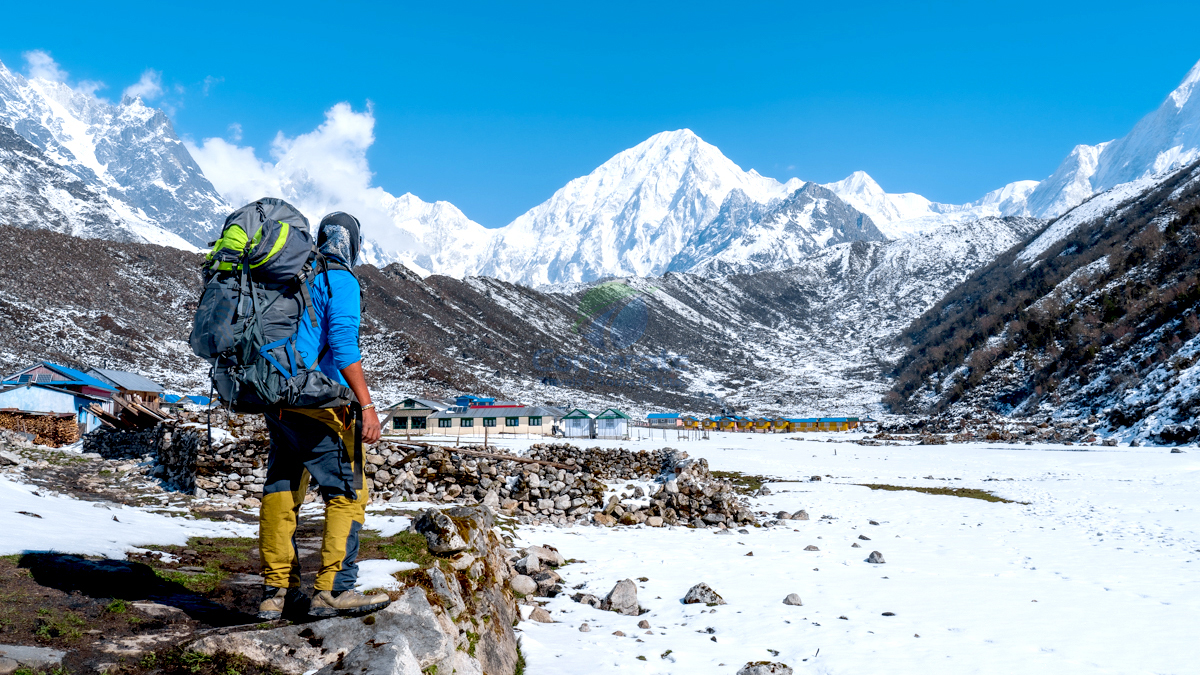
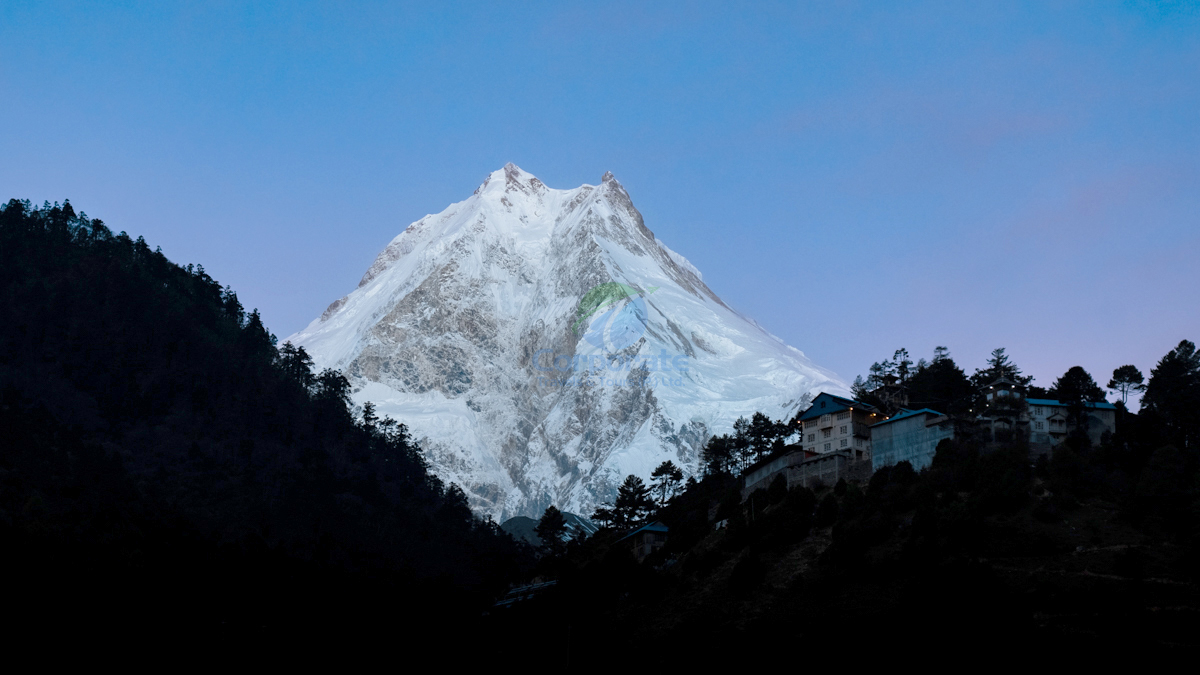
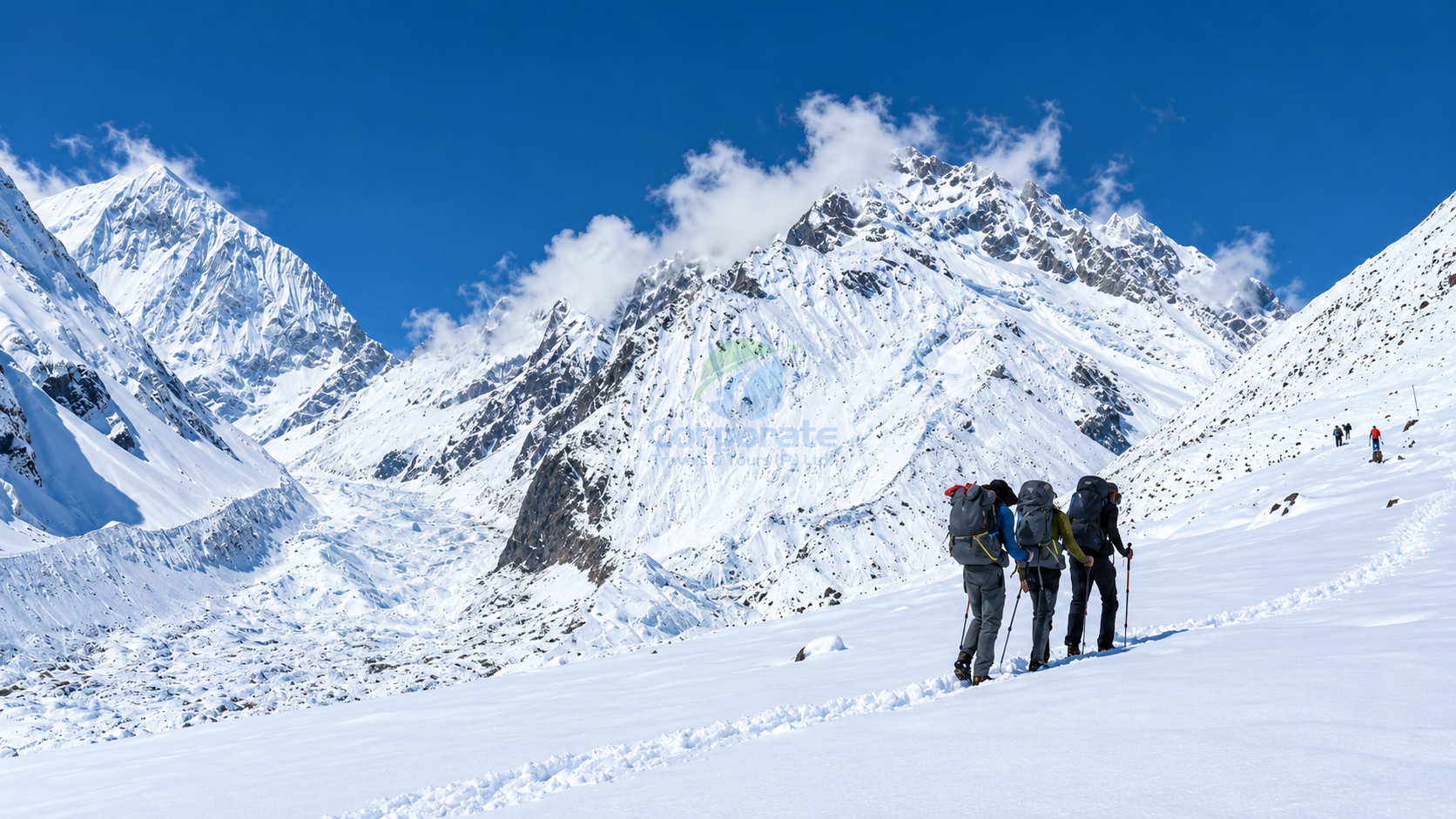
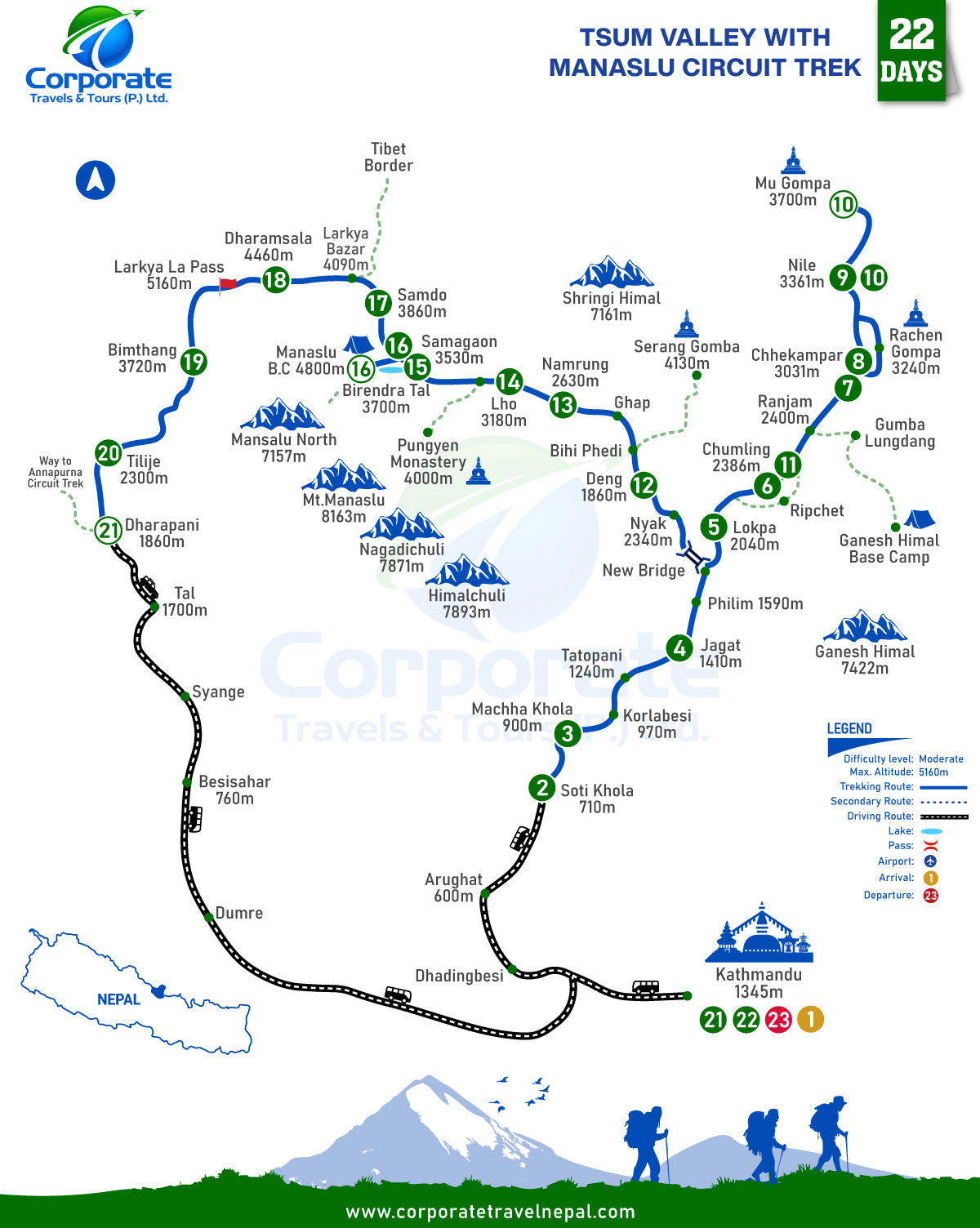
Do you think the Tsum Valley to Manaslu Circuit Trek will be appropriate for high mountain passes climbing & trekking? You could be wrong, but there's a lot because there are several extremely special native peoples of the peaceful valleys (Tsumba) and even millennia of ancient monks' heritage (Ethos of Shyagya), not to mention a lot of holy Tibetan Buddhist traditions and heritage from the ancient monks. This is because of the untouched nature, a sense of great abundance of the ancient Tibetan religion, crossing over Larkya La Pass (5160 m), where the 8th highest peak of the world, Mt. Manaslu (8163 m), is also present, and visiting the Manaslu Conservation Area (MCA), which is a protected area. The 23-day-long journey will take you through all the geopolitically protected areas with traditional mountain villages, traditional ways of life in the Himalayas, ancient Tibetan Buddhist customs, and rich and diverse Himalayan ecology.
This trail begins from Soti Khola and passing through subtropical forests of Budhi Gandaki. You can also catch a glimpse of some of the most mesmerizing mountains of Nepal, like the 8th tallest in the world, Mt. Manaslu (8163 m).
The first starting point of the trek is called "Hidden Valley of Happiness", Beyul Kyimolung . The remote valley harbors the indigenous people of Tsumba, preserving their Tibetan Buddhist culture. Throughout the villages such as Chumling, Chhekampar, and Nile, visitors are introduced to the spiritual way of life, which is surrounded by stone houses, prayer walls, and monasteries.
The Tsum Valley section provides opportunities for visiting the significant Buddhist sites, such as Mu Gompa (3700 m), the highest as well as the largest monastery of the valley, Rachen Gompa and Dhephu Doma Gompa. The valley is also home to the mountains like Ganesh Himal and Sringi Himal.
Tsum Valley, the trek once again follows the Manaslu circuit and passes through the Nubri Valley (Deng, Namrung, Lho, and Samagaon), the home of the Nubri people. The path rises up from where you can see views of the mountains such as Manaslu, Manaslu North, Ngadi Chuli, Himlung Himal, etc.
Passing through the high point of Larkya La Pass (5106 m), which is one of the most difficult passes on the trek. You will pass through rhododendron forest, Gurung villages, Dharapani and finally back to Kathmandu.
This is not the only thing the Manaslu of the Himalaya possesses; it is blessed with vast biodiversity as part of the Manaslu Conservation Area. It consists of Sal, pine wood, oak, rhododendron, juniper scrub and alpine plants along with different species of animals such as blue sheep (Bharal), musk deer, Himalayan tahr and pika. You'll find Himalayan monal (Danphe), golden eagle, lammergeier and Tibetan snowcock and the red panda here.
Best Season:
| Season | Months | Weather & Views | Trail Crowds |
|---|---|---|---|
| AutumnBest | Late Sep to Nov | Dry, stable weather, clear skies, excellent views of Mount Manaslu and surrounding peaks | Busiest in October; book lodges early |
| Spring | Mar to May | Mild daytime temperatures, rhododendrons in bloom, good mountain views; snow may remain around Larkya La Pass early in the season | Moderate to busy, especially in April |
| Winter | Dec to Feb | Very cold at high altitudes; heavy snow and ice can make Larkya La Pass difficult or impassable; some high-altitude lodges close | Very quiet; challenging trekking conditions |
| Monsoon | Jun to early Sep | Frequent rain, muddy and slippery trails, leeches at lower elevations, landslide risks and cloudy mountain views | Very quiet; possible road and trail disruptions |
Trip Highlights
- Mt. Manaslu (8,163 m) is the 8th tallest peak in the world and one of Nepal's most authentic restricted-area treks.
- Chhekampar is also called the 'Hidden Valley of Happiness'.
- The village of Tsumba are the centenary-old home of Tsumba people, the Ethos of Shyagya, Nubri Valley villages Samagaun, Lho and Prok.
- The sacred Tibetan Buddhist heritages and monasteries include Mu Gompa (3700 m), Rachen Gompa and Dhephu Doma Gompa.
- Larkya La Pass (5,106 m) the highest point of the journey.
- Manaslu Conservation Area (PCA), a protected area with biodiversity and traditional villages.
- Exploration of Upper Tsum along with the view of Ganesh Himal (7,163m)
- The Manaslu Conservation Area is rich in diversity with flora and fauna.
- Animal species like the snow leopard, the Himalayan tahr, musk deer and blue sheep (bharal).
Why Choose This Tour?
Two Regions in One Journey
This trek is divided into the sacred Tsum Valley and Manaslu Circuit, both in the high mountains, though in different settings.
Restricted-Area Access, Handled for You Both Manaslu and Tsum Valley
Corporate Travels and Tours arranges all required permits, a licensed guide, and travel logistics in advance. Our experienced guides prioritise your safety with proper acclimatisation and altitude sickness monitoring, especially while crossing Larkya La Pass.
Authentic Cultural Immersion
By staying in these local villages and walking and enjoying the ambience, you get a true depth of Tibetan Buddhist culture.
Reworked and Tried and Test
Itineraries are refined with feedback from trekkers on how the trek during this route could be made better in regard to comfort, pacing and the overall experience.
Gallery
Included & Excluded
- Airport pickup and drop-off by private vehicle
- 3 nights hotel accommodation in Kathmandu on a bed and breakfast basis
- All teahouse accommodation during the trek
- All meals during the trek (breakfast, lunch, and dinner)
- Manaslu Restricted Area Permit
- Tsum Valley Restricted Area Permit
- Manaslu Conservation Area Permit (MCAP)
- Experienced, government-licensed trekking guide
- Ground transportation: Kathmandu to Soti Khola and Dharapani/Besisahar to Kathmandu
- All applicable government and local taxes
- First aid kit carried by your guide
- Duffel bag for porters (if needed)
- Nepal entry visa fees
- International airfare to and from Kathmandu
- Travel insurance (mandatory, must cover high-altitude trekking and emergency evacuation)
- Personal trekking equipment and gear
- Meals in Kathmandu (except included breakfasts)
- Alcoholic and bottled beverages
- Hot showers and battery charging fees during the trek (where applicable)
- Tips for guides and porters
- Personal expenses such as laundry, souvenirs, and phone/ Wi-Fi charges
- Emergency evacuation costs not covered by insurance
- Any costs arising from trail closures, natural disasters, or trek changes beyond our control
Safety Information
Altitude & Acclimatization
Physical Fitness
Weather & Temperature
Drinking Water
Transportation
Safety Tips
Packing List
Clothing
6 items- Moisture-wicking base layers (upper and lower)
- Down jacket
- Waterproof and windproof outer shell jacket and pants
- Trekking trousers
- Insulated gloves and liner gloves
- Thermal sleepwear
Footwear
3 items- Waterproof trekking boots with ankle support
- Comfortable camp shoes or sandals
- Wool trekking socks (several pairs)
Trekking Equipment
6 items- Trekking poles
- Headlamp with spare batteries
- Sleeping bag rated for at least -15°C
- Daypack (30–40 litres) and duffel bag for porters
- Water bottles
- Water purification tablets
Personal Items
4 items- Sunscreen (high SPF) and lip balm
- Sunglasses with UV protection
- Personal first aid kit and any prescribed medication
- Hand sanitizer and wet wipes
Documents
3 items- Valid passport with at least six months' validity
- Passport-sized photographs (for permits)
- Travel insurance documents (If applicable)
Important Information
- Cancellation Policy
- If you need to cancel your trek due to personal circumstances or unforeseen events, please inform Corporate Travels and Tours as early as possible. Cancellation charges depend on the timing of cancellation and expenses already incurred.
- Refund Policy
- Eligible refunds will be processed within 7–14 business days after cancellation approval. Non-refundable permit fees, confirmed bookings, and other incurred expenses may be deducted from the refund amount.
- Visa and Trekking Permits
- Foreign visitors generally require a valid Nepal tourist visa. The trek requires Manaslu and Tsum Valley Restricted Area Permits, Manaslu Conservation Area Permit (MCAP), and Annapurna Conservation Area Permit (ACAP). Corporate Travels and Tours arranges the necessary permits before departure.
- Internet and Mobile Network
- Wi-Fi and mobile coverage are available in lower villages but become limited at higher elevations. Expect little or no connectivity in remote sections of the trek.
- Travel Insurance
- Comprehensive travel insurance is mandatory and must cover high-altitude trekking above 5,200 metres, emergency medical treatment, and helicopter evacuation. Please verify your coverage before departure.
Itinerary
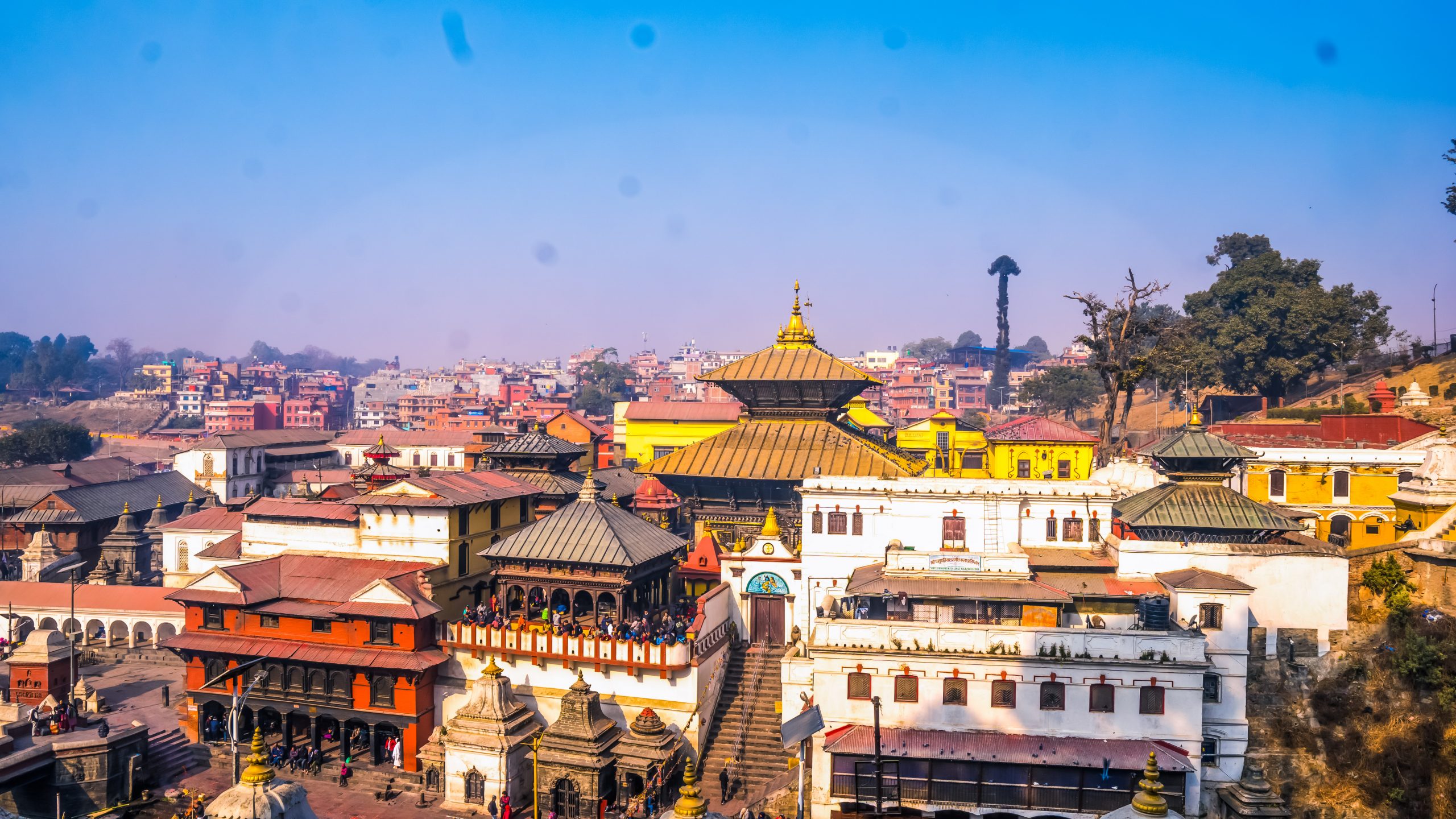
Welcome to Nepal! A person from Corporate Travels and Tour will meet you at Tribhuvan International Airport and drive you to your hotel in Thamel at Tribhuvan International Airport. In the drive, you will see the historic temple of Pashupatinath and Newari culture along the way.
After check-in, you will have some time to rest before a briefing with your trekking guide on the details of the trek, essentials for trekking, safety and gear inspection. This session will prepare you to get ready for the Tsum Valley with Manaslu Circuit trek. Our team will also obtain all permits necessary for trek such as Manaslu Restricted Area Permit, Manaslu Conservation Area Permit (MCAP) and Tsum Valley Restricted Area Permit for Tsum Valley, Manaslu Conservation Area and other required trekking permits.
In the early morning after breakfast you will leave Kathmandu towards Soti Khola. The drive is via the Prithvi Highway to Arughat and to Budhi Bazar a village in the Budhi Gandaki River side. From there, you'll reach Soti Khola village after 7-8 hrs of driving.
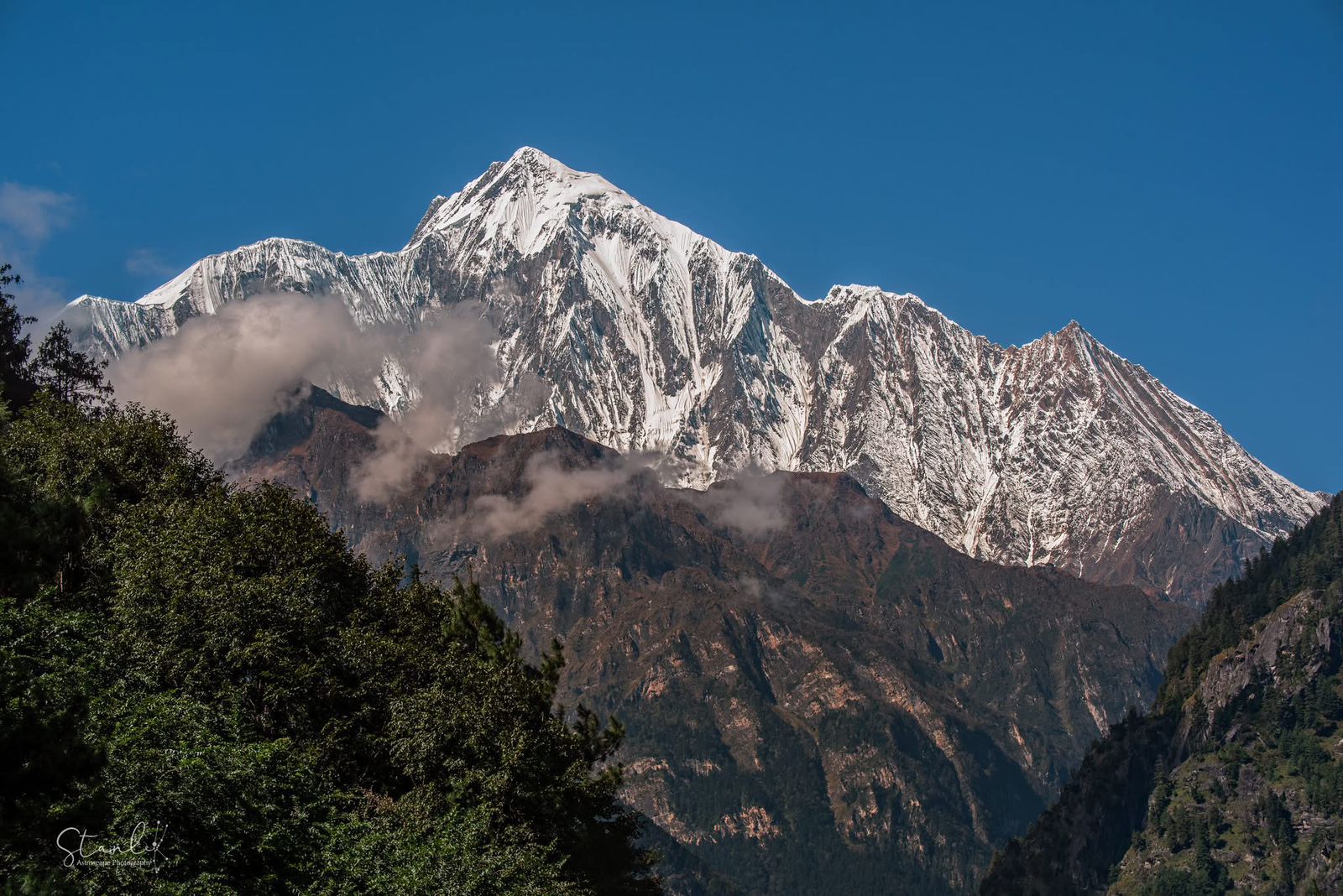
Trekking starts from Soti Khola. Along the way, you will go through the dense subtropical forests of Sal trees and broadleaf trees, mossy cliffs, ferns, climbing vines, wild orchids, etc. You will cross the Gurung village of Labubesi. You will be able to see Langur monkeys and rustling sound of pheasants or hill partridges in the dense forest before arriving at the Machha Khola.
Today your trek starts by crossing Machha Khola towards Jagat. You will pass through the village of Kholabesi. On the way to Jagat, you will see the forest of Sal trees, Chir Pine, conifers, wild bananas, ferns, and birds like Himalayan Monal, Kalij Pheasant, House Swift, and animals like langur monkeys and the Himalayan Pika, as well as insects like Common Mormon Butterfly, moths, etc. You need permits to enter and pass through Jagat, which the Corporate Travels and Tour team had prepare before the trek. This is the main checkpoint and entry gate for the restricted area of the Manaslu region.
Your trek starts from Philim village of the Manaslu Region, one of the Gurung community villages in the region. You will be walking towards Chisopani. After leaving the village of Nyagphedi, you will enter the restricted area of Tsum valley and you'll need to show permits to enter the valley. You could see Himalayan langur, Himalayan tahr, musk deer and Himalayan griffon, Himalayan monal, koklass pheasant and others. Here you'll reach Lokpa village which is situated between Budhi Gandaki and Siyar Khola. Also known as the Gateway to the sacred Tsum Valley.
After breakfast in the morning, you will leave Lokpa and trek towards Chumling. The Tsum Valley can be seen from here. Dense forest of blue pine and other coniferous trees, with lichens, ferns and moss can be observed. Passing by Lungwa Khola, you will eventually come to a point of Nepal's first-ever metal cantilever bridge. You will pass bridge at Chumling from where you can view the stone houses, Tibetan culture and the sacred Chumling Gompa.
This will begin the trek up the trails into the heart of Upper Tsum Valley, where you'll witness the continuation of the Tibetan Buddhist heritage of the Tsumba people, which has been sustaining for a century. The trails will pass through Gho village where you can also get a good view of Ganesh Himal (7422 m). Proceeding further on, one passes through blue pine forests, silver fir forests, rhododendron forests etc. Here, you'll find traditional Tibetan Buddhism and stone houses, as well as the rare and endangered snow leopard, which is found in this area, in addition to birds such as the golden eagle and the bearded vulture, the Tibetan snowcock, etc., and other wild animals: blue sheep, bharal or "big sheep", Himalayan tahr, musk deer, pikas, etc.
One day onwards, you will be given a day for acclimatization at Chhekampar to be acclimatised to the raising altitude before you embark further into the high altitude of Tsum Valley. Visiting and exploring in Chhekampar village and Tsumba community can enjoy the Tibetan Buddhist Culture which has been kept over a thousands years gracefully. The panoramic view of the Ganesh Himal, Sringi Himal and the surrounding peaks can be seen as well. Attending you can also be able to taste snacks from the local community like yak cheese, tongba, Tsampa etc.
You will leave Chhekampar (Chokhangparo) after having breakfast and continue into the Upper Tsum Valley. It is through the traditional villages of “Lamagaon” and “Burji” along the trails. There you will visit the special Piren Phu Cave, or Pigeon Cave. The cave also has close connection with Guru Padmasambhava as well as Tibetan saint Milarepa and has old paintings, prayer flags and meditation spots. From here, you'll enter the trails to one of the highest villages in the valley, Nile, close to the Tibetan border.
Set off on a hike along Nile towards the monastery of Mu Gompa (3,700 m), the largest and highest monastery in the valley. The monastery of Mu Gompa has a significance in the realm of Tibetan Buddhism. This provides a panoramic view of Ganesh Himal, Shringi Himal rising towards the west with Lungdung Glacier. Afterwards, you will be taken to see the heritage of Buddhism in Dhephu Doma Gompa. From here, you'll then head back to Nile after visiting these locations.
After breakfast, you will begin descent the journey to Nile via the Upper Tsum Valley. Before coming to Rachen Gompa you will traverse through Tibetan Buddhist villages. The vantage point you will get as you come down will provide you with a view of the surrounding mountains, before going back down to Chumling. Make the trek again on Manaslu Circuit to arrive at the hidden Tsum Valley before heading back again.
The early morning walk goes through forest to reach Lokpa again where you will be joined by the tracks of the Manaslu Circuit. The road runs through a pine and rhododendron forest and then around Lokpa Village to reach the junction at Nyak. The footpath then heads towards Larkya La Pass, along the lower section of the Manaslu circuit, and passes through several Buddhist stone arches (Known as Kani Gates), stone temples, and across a suspension bridge over the Budhi Gandaki River, then leads through several more traditional Buddhist villages. You will reach Deng where the Tibetan Buddhist culture plays a more significant role.
After breakfast you will slowly ascend on to the higher valley of Manaslu area from Deng. While trekking through the trails you'll also cross several suspension bridges and pass through the forest of pine, oak and rhododendron trees along with the Budhi Gandaki River. You will proceed you trial through the tiny hamlets of Rana and Bihi Phedi. The way is serene, peaceful and through the hills towards Namrung.
Today you will be slowly making your way up the villages of Banjam and Lihi, where you will catch a glimpse of many Tibetan houses, through the town of Namrung. After coming out of Lihi, one will enter Lamagaon then cross the river Hinan, which after crossing a glacier of the same name (Linda), will pass into Sho. This hike offers excellent views of Mt. Manaslu (8163 m), and through the pine, fir and rhododendron forests, gaining in elevation along the way. After visiting the Tibetan Buddhist Lama Autisey's residence, move up to the peaceful village of Lho (3,180 m), which has the monastery of Ribung (Ribang), one of the most important Buddhist monasteries in the region in the afternoon.
In the morning, while eating breakfast, you will head the way through Nubri Valley towards Samagaon, in front of Lho. On the way, visit the historic Ribung Monastery, one of the largest monasteries in the Manaslu region and then hike to Shyala (3,500 m). From here, you can enjoy panoramic views of Mt. Manaslu (8,163 m), Manaslu North (7,157 m), Naike Peak (6,211 m), Ngadi Chuli (7,613 m), and Simnang Himal (6,158 m). The trail then goes through the yak pasture, stone-walls and alpine grasslands before arriving at the built-up parts of the large, big Sherpa village of Samagaon.
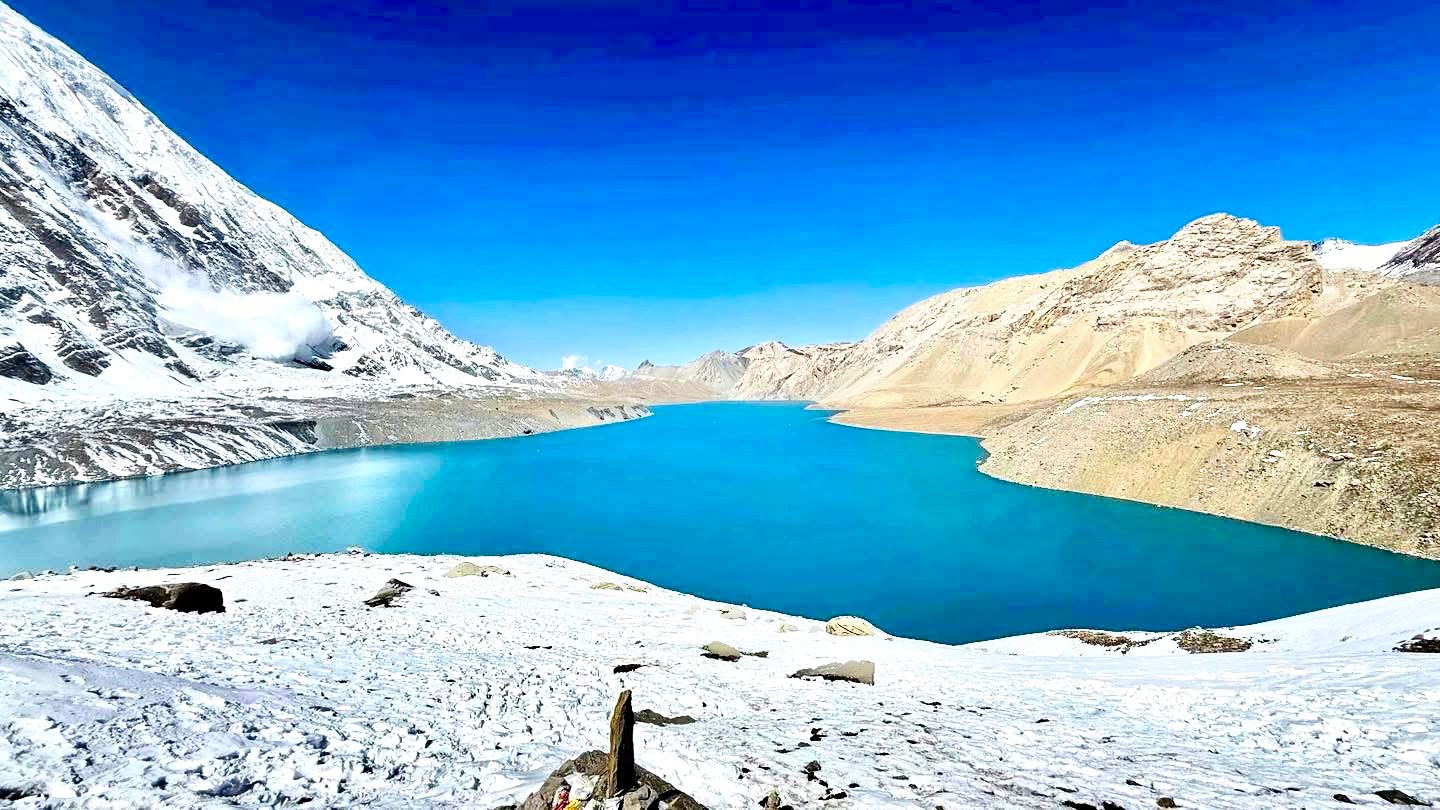
Today we spend our day acclimating so as to get our body accustomed to the higher altitude before crossing Larkya La Pass. Those who wish to see Mt. Manaslu and its glacier closely can opt for another trek to the basecamp (4895 m) of this 8626-meter high peak but in summary, those willing to trek less but see the beauty of Mt. Manaslu can choose to hike to the peaceful monastery Pungyen Gompa which overhangs the wonderful Birendra Lake (Birendra Tal) bordered by glaciers. During the journey you'll pass through Nubri regional folk and will notice that they are ministering to their yaks and spinning wool, tasks that are integral to the existence of the locals in the Nubri Valley. On reaching Samagaon walk back down after the steep climb to rest for the rest of the walk on land.
The trail today moves from Samagaon to Samdo and slowly moves into the high alpine area of the Manasu region. The route passes through the upper Budhi Gandaki Valley, is rather rugged, and the forests are very sparse and where the yak herd comes in contact with them. The beauty of Manaslu is just beyond description and this trek will provide you with stunning views all through, including Mt. Manaslu (8163 m), Simnang Himal (6251 m), Ngadi Chuli (7871 m), the Manaslu Glacier and the impressive Manaslu Icefall. Birds (lammergeier, golden eagle), blue sheep and himalayan tiger (tahr) have been observed. In the afternoon, you will be in the traditional Tibetan village of Samdo which is situated near to the Nepal–Tibet border at an altitude of 3,875m.
You will depart the morning to the Pass, leaving after breakfast, on route to the town of Larke Phedi which is the final stop before crossing the Larkya La Pass. In ancient times, Larkya Bazar, the most popular historic site along the trekking route was a trading point between Nepal and Tibet. As you ascend to the Budhi Gandaki bridge, you will cross over a bridge crossing Budhi Gandaki river followed by a rocky alpine terrain. Up in the air - take in views to the Larkya Glacier and lots of nearby peaks covered in snow. A range of hardy alpine plants exists as well as blue sheep (bharal) and occasionally Himalayan tahr to be found on the surrounding slopes. You arrive in Dharamsala (4460 m) where you are well prepared for crossing the pass the following day, Larkya La Pass (4700 m).
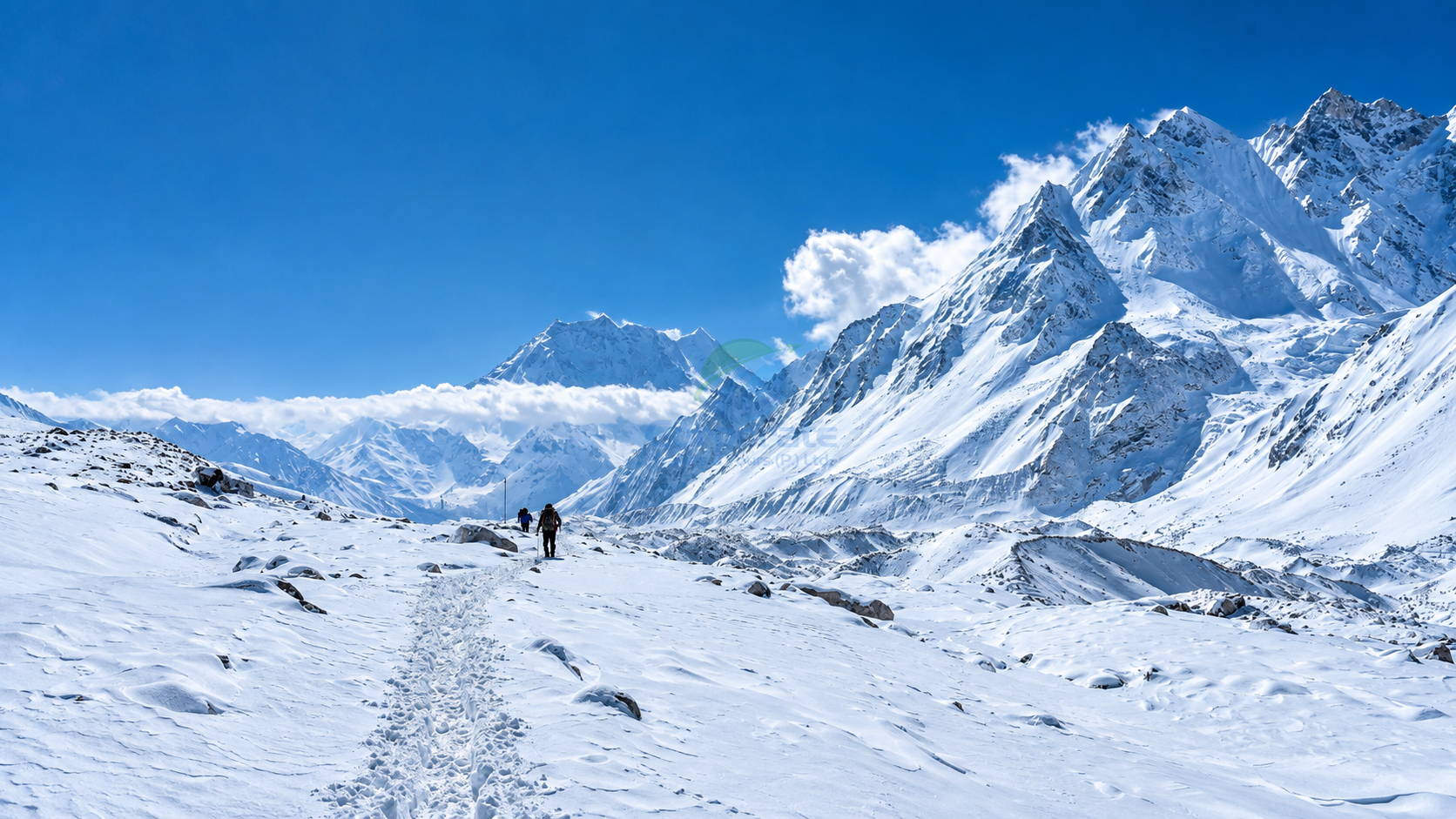
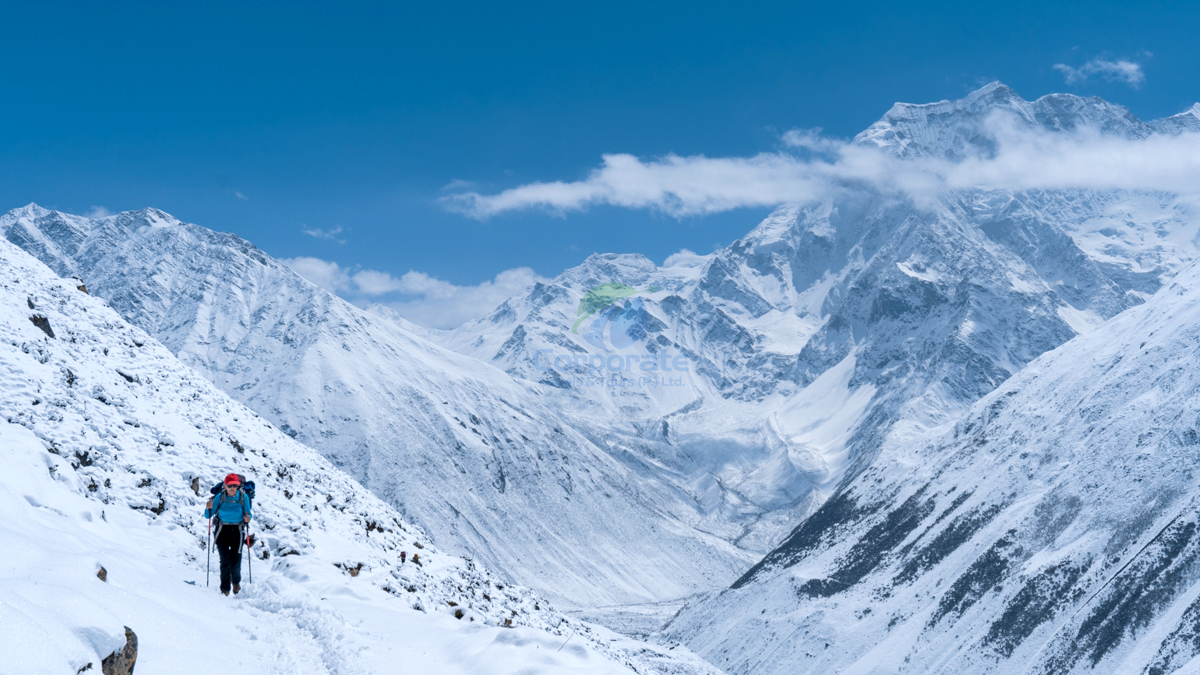
The section of the walk from the yellow pass Larkya La Pass is the hardest. The trek out of Dharamsala will begin with scrambling and climbing up towards Cho Chanda and then reach the highest point of the Manaslu Circuit, Larkya La Pass (5160m). During the day thrillingly one can see the Himal from a pass with the peaks of Himlung (7126 m), Cheo Himal (6820 m), Kang Guru (6981 m), Annapurna II (7937 m) and Larkya Peak. Now gently descend through the glacial land forms and the alpine areas down to Bimthang (3720 m).
Then after breakfast, you will continue to descend through beautiful alpine grassland and pine, fir and rhododendron forest. The path goes through the small village of Hampuk, yak grazing site of Yak Kharka and Kharche. You are able to get views of Mt. Manaslu, Southwest Manaslu, Nemjung and other peaks of the Himalayas while traveling there. The notable Ponkar Glacier and Changri glacier are also visible here, which are the source of the rivers of this valley.
Lowering altitude, the scenery surrounding you becomes greener and forestier, and you suit up and travel to the old village of Gurung, Tilije (2300m).
Following breakfast at the start of the trek, you will leave the “Tilije” and continue through the old villages of “Thonje” to reach “Dharapani” where the Manaslu Circuit meets up with the Annapurna Circuit. It is parallel to Marsyangdi River, passing the agricultural fields, forest and villages. After that proceed by vehicle for about 3-4 hours towards Besisahar (District head in Lamjung) and proceed again by Prithvi Highway towards Kathmandu crossing over villages, terraced hills and river etc. The views on clear days are distant to Annapurna II, Annapurna III, Mt Manaslu, Machhapuchhre (Fishtail) and Lamjung Himal.
After finishing the Manaslu Circuit with Tsum Valley trek, you will be picked up from the airport and driven to the hotel in Kathmandu where you will be able to relax after a tiring day.
After finishing the Tsum Valley and Manaslu Circuit Trek today is a day for rest and leisure in Kathmandu. The area of Thamel and historic place Basantapur Durbar Square can be visited to experience traditional Newari architecture, lifestyle and centuries old cultural practices. Try the local handicraft items of handmade products like traditional paintings, metal crafts, and wood carvings and enjoy the local delicious Newari dishes like "Yomari", "Bara", "Chatamari" and "Newari Khaja Set" in the local restaurants. And savor Kathmandu city on your own pace before heading back in the day to enjoy the heritage and traditions and food of Kathmandu.
Today is the last day of your trekking adventure to Tsum Valley with Manaslu Circuit. Depending on your international flight schedule, you'll have some free time for breakfast or any last minute preparations before you leave Nepal.
The person from Corporate Travels and Tours will pick you up well in advance from Tribhuvan International Airport for your flight. On your departure from the Himalayas you will have your memories from faraway mountain villages as well as your knowledge of sacred Buddhist monasteries, magnificent scenery and a successful crossing of the other side of beautiful Larkya La Pass.
Many thanks as you have opted us for traveling with us and we hope to see Nepal's experiences, hospitality and nature again in your next Himalayan journey.
Frequently Asked Questions
No. Both the Manaslu and Tsum Valley restricted areas prohibit solo trekking. You need a government-licensed guide and a minimum group of two, and the restricted-area permits can only be arranged through a registered trekking agency, not by individuals.
The trek offers views of: ● Mt. Manaslu (8,163 m) ● Manaslu North ● Ngadi Chuli ● Himalchuli ● Ganesh Himal ● Annapurna II ● Himlung Himal ● Cheo Himal
The Manaslu Conservation Area is home to: ● Blue sheep (Bharal) ● Himalayan tahr ● Himalayan langur monkey ● Musk deer ● Pika ● Snow leopard habitat ● Himalayan monal (Danphe) ● Golden eagle ● Tibetan snowcock ● Red-billed chough
The trek passes through different vegetation zones, including: ● Sal forest in lower areas ● Pine forest ● Oak forest ● Rhododendron forest ● Juniper shrubs ● Alpine vegetation near higher elevations
You need layered clothing suitable for different temperatures: ● Warm jacket ● Thermal layers ● Trekking pants ● Gloves ● Hat ● Waterproof jacket ● Good trekking boots
Yes. Tsum Valley has strong Tibetan Buddhist influence, with ancient monasteries, prayer walls, mani stones, Buddhist festivals, and traditional stone-built villages.
Yes, as on any trek that crosses 4,000m. The Larkya La Pass sits at 5,106 m, high enough that altitude sickness is a real consideration. This itinerary is built to manage that risk, with a gradual ascent and two dedicated acclimatization days at Chhekampar and Samagaon.
You need several permits: ● Manaslu Restricted Area Permit ● Tsum Valley Restricted Area Permit ● Manaslu Conservation Area Permit (MCAP) ● Annapurna Conservation Area Permit (ACAP) for the ending section
The Larkya La Pass at 5,106 m. It's the highest and hardest point of the trek, crossed on the long day between Dharamsala (4,460 m) and Bimthang (3,720 m).
Yes, it's mandatory for this trek and not something to skip. Your policy must cover high-altitude trekking to at least the height of the Larkya La, emergency medical treatment, and helicopter evacuation.
The complete Manaslu Circuit Trek with Tsum Valley usually takes around 21–23 days, depending on the itinerary. Your itinerary is: ● Kathmandu arrival and preparation ● Drive to Soti Khola ● Trek through Tsum Valley ● Return to Manaslu Circuit ● Cross Larkya La Pass (5,160 m) ● Descend through Bimthang and Dharapani ● Drive back to Kathmandu
Starting point: Soti Khola, Gorkha District Ending point: Dharapani, Manang District From Dharapani, you drive to Besisahar and continue to Kathmandu.
Yes, beginners with good physical preparation can complete this trek. Previous high-altitude trekking experience is helpful but not mandatory. Regular walking, hiking, and cardio training before the trek are recommended.
Yes. Your itinerary includes: On day 8, the participants experienced acclimatization and also explored the villages in Chhekampar. Day 16: Acclimatization day at Samagaon with optional treks to the next: Pungyen Gompa, Birendra Lake, Manaslu Base Camp These will be days for reducing the risk of altitude sickness.
● High altitude ● Remote mountain terrain ● Crossing Larkya La Pass ● Limited facilities in higher areas
Upcoming Departures
Reviews & Testimonials 3
Write a Review
Fantastic trip overall. Accommodation was basic on a couple of nights but the views made up for it.
Booked this after seeing it recommended by a friend — exceeded every expectation.
Well-paced itinerary, great food, and a guide who genuinely cared about our safety.
Book This Tour
- Free cancellation up to 7 days before
- No payment needed to book
- 24/7 support